

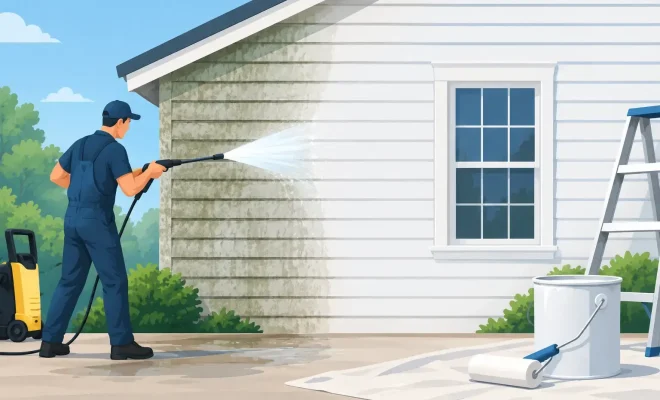
Pressure Washing Before Painting Done Right
A fresh coat of paint can make a home, storefront, fence, or commercial building look new again. But when paint starts peeling after one wet season, the problem is often underneath the coating. Pressure washing before painting removes the dirt, mildew, chalky residue, and loose material that keep paint from gripping the surface the way it should.
For property owners in Tallahassee, North Florida, and South Georgia, preparation matters even more. Humidity, heavy rain, pollen, and organic growth can build up quickly on siding, concrete, decks, fences, and exterior trim. Cleaning first is not an optional cosmetic step. It is part of protecting the work and getting a finish that lasts.
Why Pressure Washing Before Painting Matters
Paint needs a clean, stable surface. If a painter applies a new coating over mildew, dust, oxidation, or flaking paint, the fresh paint may look good at first. Then it can blister, crack, peel, or fade unevenly as moisture and contamination work beneath it.
Washing clears away the buildup that is easy to miss from the ground. On homes, that often includes green algae on siding, black mildew around soffits, and pollen stuck to trim. On commercial properties, it may include vehicle exhaust, gum residue, grease, foot traffic grime, and stains around entryways or service areas.
A properly cleaned surface gives paint a more dependable base. It also lets you see the true condition of the material before painting begins. Once dirt and growth are gone, it is easier to spot damaged wood, failing caulk, rust, cracked stucco, or areas where old paint needs to be scraped and repaired.
Not Every Surface Needs High Pressure
The phrase pressure washing can be misleading. More pressure is not always better, especially on exterior surfaces that are already weathered or preparing for paint. Vinyl siding, painted wood, stucco, trim, screens, roof-adjacent areas, and older finishes can be damaged when cleaned with the wrong equipment or technique.
That is why surface-appropriate cleaning matters. Low-pressure soft washing is often the safer choice for siding and delicate exterior materials. It uses controlled water pressure and eco-safe cleaning solutions to break down mildew, algae, and organic staining without driving water behind siding or stripping sound paint unnecessarily.
Concrete driveways, sidewalks, patios, and some masonry surfaces can usually handle more direct pressure when needed. Even then, the operator must account for the age of the surface, existing cracks, joint sand, stains, and the type of coating planned afterward. A careless pass with a high-powered machine can leave visible lines, etching, or surface damage that paint will not hide.
Seminole Power Wash follows a simple standard: no pressure, no damage. The right method should clean the surface thoroughly while protecting what is still in good condition.
What Should Be Cleaned Before Exterior Painting?
The answer depends on the scope of the paint project, but any area receiving paint should be cleaned first. That usually includes siding, trim, shutters, fascia, soffits, porch ceilings, fences, decks, railings, masonry, and exterior doors.
Do not overlook nearby surfaces either. Washing surrounding walkways, driveways, gutters, and exterior walls can improve the finished look of the whole property. A freshly painted home with mildew-streaked gutters or a dirty front walk still looks unfinished.
For commercial properties, preparation may extend beyond the painted wall itself. Storefronts, loading areas, sidewalks, dumpster pads, entryways, canopies, and curb lines all affect curb appeal. Gas stations and convenience stores face additional challenges from traffic film, fuel-area grime, food and beverage spills, and constant customer use. Cleaning these areas before repainting helps the entire property present a more professional appearance.
The Right Order of Work
Cleaning should happen before scraping, sanding, priming, and painting. Washing after repairs have begun can soak exposed wood or disturb prep work. It can also leave dirt on newly repaired areas.
After the wash, the surface needs time to dry fully. In North Florida and South Georgia, drying time depends on shade, humidity, recent rain, and the material itself. Wood holds moisture longer than vinyl or metal. Stucco and masonry can also retain moisture below the surface, particularly after a heavy rain.
Rushing from washing to painting is one of the most common mistakes. Paint applied to damp material can trap moisture and lead to early failure. A qualified painter should check that the surface is dry and ready before primer or paint is applied.
When Cleaning Can Reveal More Prep Work
A professional wash does not replace paint preparation. It makes preparation more accurate.
Once the surface is clean and dry, painters may find areas that need scraping, sanding, caulking, wood repair, rust treatment, or a stain-blocking primer. That is good news, even if it adds work. Finding those issues before the finish coat goes on is far less expensive than repainting a failed section later.
Chalky paint is a good example. Older painted surfaces may leave a powdery film on your hand. Washing removes much of that residue, but heavy chalking may still require the right primer for proper adhesion. Likewise, washing can remove loose paint, but it should not be expected to remove every failing layer or repair rot beneath the paint.
The goal is not to make every surface look perfect before the painter arrives. The goal is to remove contaminants, expose underlying problems, and give the paint crew a clean starting point.
DIY Washing vs. Professional Cleaning
A homeowner can clean small, accessible areas with the right tools and caution. However, exterior washing becomes more complicated around second-story walls, rooflines, electrical fixtures, windows, landscaping, and aged building materials. A rented pressure washer can deliver enough force to scar wood, force water behind siding, strip paint that was still sound, or damage seals around doors and windows.
Chemical use also requires care. The wrong product or concentration can harm plants, discolor surfaces, or leave residue that affects paint performance. Professional exterior cleaners understand how to match the solution, pressure level, nozzle, and rinse process to the surface in front of them.
Hiring an insured, experienced crew is especially worthwhile when a painting project involves a large home, a commercial building, delicate siding, a roof-adjacent area, or a high-traffic property. The cost of proper cleaning is small compared with repainting damaged or prematurely peeling surfaces.
Protect Landscaping, People, and Property
Preparation should protect more than the wall being painted. Plants should be pre-watered and rinsed as needed, outdoor furniture should be moved or covered, and windows and electrical components should be treated carefully. Pets and children should remain clear of the work area until cleaning is complete and surfaces are safe.
Eco-safe products are a practical choice for residential neighborhoods and customer-facing businesses. Used correctly, they help remove organic growth while reducing unnecessary risk to landscaping and the surrounding environment. That is particularly valuable when cleaning near flower beds, lawns, outdoor seating, and public walkways.
Plan the Wash Around the Paint Schedule
Coordinate the cleaning date with the painter before scheduling. Give the surface enough drying time, and watch the forecast for rain and high humidity. If a storm is expected immediately after washing, it may make sense to adjust the schedule rather than risk delaying the paint crew.
Ask your painter what condition they expect before starting. Some crews want the property cleaned several days ahead, while others have a preferred window based on the materials being painted. Clear communication prevents last-minute surprises and keeps the project moving.
A clean exterior is the foundation for paint that looks sharp and holds up through heat, humidity, and seasonal rain. Before the first gallon of paint is opened, schedule a professional cleaning and give your investment the surface preparation it deserves. Call today for your free estimate and a careful plan for your property.



You must be logged in to post a comment Login