

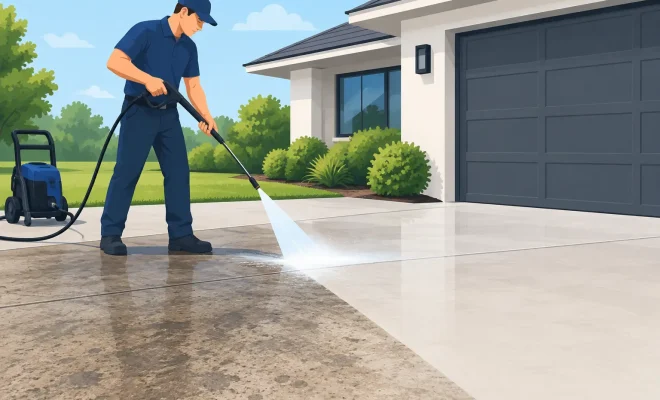
Concrete Pressure Washing That Protects Your Property
A driveway can look worn out long before the concrete itself is worn out. In Tallahassee, North Florida, and South Georgia, moisture, shade, red clay, vehicle leaks, and heavy foot traffic leave their mark quickly. Professional concrete pressure washing removes the buildup that ordinary rinsing cannot touch, helping your property look cared for without taking unnecessary risks with the surface.
The difference is not simply having a powerful machine. It is knowing how much pressure, water flow, cleaning solution, and dwell time a particular slab needs. Concrete is tough, but it is not indestructible. The wrong approach can leave uneven stripes, force water into cracks, damage decorative finishes, or spread dirty runoff into landscaping and nearby entrances.
Why Concrete Gets Dirty So Quickly Here
Concrete is porous. Its small openings collect dirt, pollen, mildew, algae, automotive fluids, leaf tannins, and other contaminants. In our warm, humid climate, those contaminants do more than dull the appearance of a driveway or sidewalk. Algae and mildew can create slick walking conditions, especially in shaded areas that stay damp after a storm.
Homeowners often notice the problem first at the driveway, front walk, patio, pool deck, or sidewalk leading to the door. A clean exterior makes the property feel maintained from the curb forward. It also keeps grime from becoming the first thing visitors, neighbors, buyers, or tenants see.
For business owners and property managers, dirty concrete creates a different kind of pressure. Customers notice stained entryways, gum-covered sidewalks, greasy service areas, and darkened curbs. At gas stations and convenience stores, where traffic is constant and spills are part of daily operations, concrete cleaning is a practical part of maintaining a professional, sanitary-looking property.
What Professional Concrete Pressure Washing Addresses
A properly planned cleaning service can make a major visual difference across residential and commercial concrete surfaces. The goal is not to blast every stain with maximum force. The goal is to remove surface contamination as safely and evenly as possible.
Driveways commonly collect tire marks, dirt tracked in from the road, oil drips, and mildew. Sidewalks and walkways may develop green or black organic growth where trees, buildings, or landscaping block the sun. Patios and pool areas can hold sunscreen residue, pollen, soil, and slippery buildup. Parking areas, dumpster pads, storefront approaches, and fueling locations often need more frequent attention because of traffic and spills.
Some stains need extra treatment before washing. Oil, rust, fertilizer marks, paint, and deeply set organic stains do not all respond the same way. A responsible cleaning professional assesses the source of the stain and sets realistic expectations. Cleaning can significantly improve many problem areas, but stains that have penetrated deeply into old or damaged concrete may not disappear completely.
That honesty matters. A dependable result means improving the surface without promising that every years-old mark will vanish or using an aggressive method that causes a bigger problem.
Pressure Is Only Part of the Process
The phrase pressure washing can make it sound like more pressure is always better. It is not. Effective concrete cleaning depends on matching the method to the condition of the surface.
A trained crew begins by checking the concrete for cracks, loose areas, flaking coatings, failed joints, and nearby surfaces that need protection. Water flow, cleaning products, and equipment are selected based on what is on the concrete and where the runoff will go. Even cleaning technique matters. Uneven passes can create visible lines that make a driveway look worse than before.
For many flatwork areas, professional surface-cleaning equipment helps deliver a more consistent finish than a handheld wand alone. Edges, corners, steps, and tight spaces still require detailed work. Pre-treatment may be needed for algae, mildew, grease, or stubborn discoloration, followed by a thorough rinse that clears away residue.
The process changes when concrete has been sealed, stamped, colored, coated, or recently repaired. These surfaces may require lower pressure or a different cleaning plan to avoid damaging the finish. If you are unsure how your concrete was treated, say so before the work begins. That information helps protect your investment.
When DIY Washing Can Cost More
A homeowner can rent a pressure washer, but renting equipment does not automatically make the job simple. Concrete cleaning often involves long periods in the heat, handling high-pressure equipment, moving hoses around landscaping, and managing runoff. One missed setting or rushed pass can leave permanent-looking wand marks across a driveway.
DIY work also tends to fall short when the issue is more than surface dirt. Oil spots, heavy algae, rust stains, and high-traffic commercial grime may require targeted products and proper application. Using the wrong cleaner can discolor concrete, harm nearby plants, or create a slippery residue.
There are situations where a small homeowner touch-up makes sense, such as rinsing loose dirt from a lightly soiled patio. But when concrete is broadly stained, slippery, neglected, or part of a customer-facing property, professional service is usually the safer choice. The right crew brings the equipment, experience, and surface-specific judgment needed to do the work efficiently.
Concrete Pressure Washing for Homes
A clean driveway and front walkway change the way a home presents itself. They also support safer access for family members, guests, delivery drivers, and service providers. This is especially helpful before hosting an event, listing a home, welcoming guests for the holidays, or completing other exterior maintenance.
Concrete cleaning pairs well with other exterior upkeep. Roof streaking, dirty siding, clogged gutters, and a stained driveway can make a well-kept home appear neglected as a whole. Scheduling the right services together can restore a more consistent appearance while reducing the hassle of arranging separate appointments.
Seminole Power Wash uses surface-appropriate methods and 100% eco-safe products designed to be safe for children, pets, plants, and the environment. As a licensed and insured, family-owned, veteran-owned company, the focus is clear: deliver visible results while treating your property with care.
Commercial Concrete Cleaning Requires a Plan
Commercial properties do not have the luxury of looking closed while cleaning is underway. Managers need service that fits around customers, employees, tenants, deliveries, and daily operations. That is why scheduling and site planning matter as much as the equipment.
For a retail storefront, that may mean cleaning sidewalks and entrance areas at a lower-traffic time. For a convenience store or gas station, it may mean addressing walkways, curb lines, dumpster areas, and heavily traveled concrete in phases. High-traffic locations need a crew that understands how quickly grime returns and how important it is to keep access clear.
Recurring concrete cleaning can be a practical option for properties with persistent algae, heavy traffic, or strict appearance standards. The best interval depends on shade, drainage, landscaping, customer volume, and the type of activity happening on-site. Some locations benefit from seasonal cleaning, while others need more frequent service in targeted areas.
How to Keep Concrete Cleaner Between Visits
Professional washing provides the reset. A few straightforward habits can help preserve the result. Sweep leaves, pine straw, and soil away before they stay wet against the surface. Address vehicle leaks promptly, and rinse fresh spills when it is safe to do so. Keep sprinklers from soaking the same shaded concrete areas day after day.
Pay attention to drainage as well. Standing water encourages algae and carries dirt into low spots. If a section of concrete repeatedly turns green or black, the issue may be more about shade and moisture than cleaning frequency alone. Cleaning will improve the appearance, but changing irrigation patterns or improving drainage may help slow the return of growth.
Do not wait until a walkway is visibly slick or a driveway is nearly black before scheduling service. Early cleaning is typically easier on the surface and helps keep your property looking maintained year-round.
If your driveway, sidewalk, patio, storefront, or high-traffic commercial concrete needs attention, request a free estimate and schedule a professional assessment. Clean concrete sends a simple message: this property is cared for, and the people walking on it matter.



You must be logged in to post a comment Login