

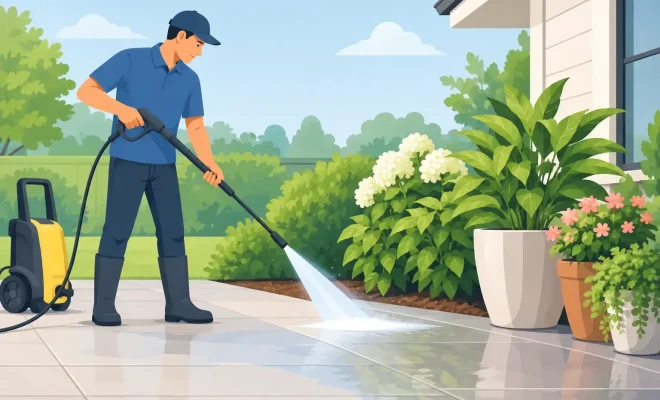
Safe Pressure Washing for Plants at Your Home
A clean driveway or mildew-free siding should not come at the expense of the azaleas, palms, or garden beds you have worked hard to maintain. Safe pressure washing for plants means more than pointing a wand away from the landscaping. It requires the right cleaning method, controlled product application, proper rinsing, and attention to where water flows after the job is done.
For homes and businesses across Tallahassee, North Florida, and South Georgia, landscaping faces heat, humidity, frequent rain, and long growing seasons. Those same conditions also feed algae, mildew, and organic buildup on roofs, sidewalks, fences, and siding. Professional cleaning should address both realities: restore the exterior while treating nearby greenery with care.
Why Plant Protection Needs a Plan
Plants can be affected by more than direct spray. Cleaning solutions may travel through mist, roof runoff, splashback, or drainage patterns. A strong stream can also break tender stems, strip foliage, disturb mulch, and expose shallow roots. That is why the safest approach begins before any equipment is started.
The surface being cleaned matters. A concrete driveway may need targeted pressure to lift embedded dirt and tire marks. A roof, painted siding, screened enclosure, or delicate wood surface usually calls for a low-pressure soft wash instead. Lower pressure reduces the chance of surface damage and limits overspray around nearby beds, shrubs, and container plants.
There is no single setting or mix that works for every property. The size of the landscape, the type of buildup, the slope of the yard, the distance between plants and the work area, and the surface material all affect the plan. A careful technician assesses those conditions rather than treating a house like an open slab of concrete.
How Safe Pressure Washing for Plants Is Done
Protecting landscaping is a process, not a quick precaution. It starts with identifying what is growing around the home or commercial property. Newly planted shrubs, flowering annuals, vegetable gardens, tropical plants, and drought-stressed landscaping deserve extra attention because they may be more sensitive than established turf or mature hedges.
Pre-wetting creates a layer of protection
Before cleaning begins, surrounding plants should be thoroughly rinsed with clean water. Moist leaves and soil are less likely to absorb cleaning residue than dry foliage and dry ground. This also helps dilute any incidental contact during the service.
Pre-wetting is especially important around rooflines, where runoff can reach foundation beds, hedges, and ornamental plants. The goal is not simply to wet the flowers closest to the wall. Technicians should consider the full runoff path, including beds below gutters, plants near downspouts, and low spots where water naturally collects.
The right pressure protects both plants and surfaces
High pressure has a place on durable hardscapes, but it is not the answer for every exterior surface. Blasting a roof or siding can damage shingles, force water behind panels, scar paint, and scatter debris into landscaping. Soft washing uses a low-pressure application designed to treat organic growth without relying on force.
This distinction matters for plant safety, too. Lower-pressure methods give the operator better control near shrubs, windows, soffits, and garden borders. For a driveway or sidewalk, pressure can be adjusted and directed toward the surface, away from landscape edges. For a roof or house wash, controlled low-pressure treatment is generally the safer route.
Product control and contact time matter
Professional exterior cleaning is not about applying more product than necessary. It is about using the appropriate solution for the surface and the staining, then allowing enough controlled contact time for it to work. Overapplication can create needless runoff, while rushing the job may leave mildew behind and lead to repeat treatments sooner than necessary.
When cleaning near plants, a responsible crew monitors application closely, keeps products where they belong, and avoids spraying in windy conditions that can carry mist beyond the work area. If a breeze picks up, the safer choice may be to change the work sequence, shield a sensitive area appropriately, or pause until conditions improve.
Rinsing is not optional
Plants should be rinsed again during and after the cleaning process. This washes away any incidental residue from leaves and refreshes the soil around the root zone. Hard surfaces also need proper rinsing so residue does not remain on walkways, patios, or areas where it could later wash into beds during a rainstorm.
The amount of rinsing depends on the job. A small area of siding with a narrow planting bed requires a different approach than a large roof with extensive foundation landscaping. The standard should remain the same: inspect the plants, rinse thoroughly, and do not leave the property until the work area is clean and protected.
What Homeowners Can Do Before a Washing Appointment
You do not need to move established landscaping to prepare for exterior cleaning, but a few simple steps help protect special plants and give the crew a clear picture of your priorities. Let the technician know about recently planted shrubs, vegetable gardens, prized roses, irrigation controls, pond features, and any areas with poor drainage.
Move lightweight potted plants, outdoor furniture, pet bowls, and decor away from walls, patios, or walkways being cleaned. If you have delicate container plants that cannot be moved easily, point them out before work begins. A professional can decide whether they need extra rinsing, temporary protection, or a different cleaning sequence.
Turn off irrigation during the appointment unless the crew requests otherwise. Watering at the same time as cleaning can make it harder to control runoff and assess where water is traveling. After the service, normal watering can help refresh the landscape, particularly during hot, dry weather.
Common Mistakes That Put Landscaping at Risk
The biggest mistake is assuming that pressure washing is always just water. While water-only rinsing may be appropriate for some situations, mildew and algae often need a surface-appropriate treatment to be removed effectively. The risk comes from poor handling, not from using a professional cleaning process designed for the property.
Another mistake is covering plants tightly with plastic for an extended period. Covers may be useful in limited situations, but sealed plastic can trap heat and moisture, especially under North Florida and South Georgia sun. It can also direct runoff toward the soil instead of allowing plants to be rinsed. Plant protection should be based on the conditions, not a one-size-fits-all cover-and-forget approach.
DIY washing can create problems when homeowners use too much pressure, use an unknown product mix, or clean without accounting for runoff. Pressure can gouge wood, etch concrete, lift paint, and damage roofing materials long before it becomes obvious. A surface that looks cleaner for a day is not worth a costly repair or damaged landscape.
When Professional Service Makes the Difference
A homeowner can rinse patio furniture or lightly wash a small concrete area. But roof cleaning, large house washes, multi-story work, steep driveways, heavy algae growth, and properties with dense landscaping call for trained hands. These jobs involve working around electrical fixtures, gutters, windows, rooflines, and drainage routes while protecting the surfaces and plantings below.
Seminole Power Wash approaches exterior cleaning with the same principle behind our roof washing promise: No Pressure, No Damage! Our licensed and insured team uses surface-appropriate methods and eco-safe products selected with children, pets, plants, and the surrounding environment in mind. Careful preparation and rinsing are part of delivering a clean property without careless shortcuts.
For commercial properties, plant protection also supports curb appeal. A clean storefront, gas station canopy, sidewalk, or convenience store entrance looks better when the shrubs and beds around it are healthy. Property managers need work completed efficiently, but they also need confidence that a cleaning crew will respect the details customers notice.
Before you schedule, walk your property and make note of the plants or landscape features that matter most. Then choose a cleaning provider that is willing to discuss the method, the runoff plan, and the steps taken around your greenery. A cleaner exterior should make your property look cared for from the roofline to the flower bed. Call today for your free estimate and a cleaning plan built around your home or business.



You must be logged in to post a comment Login