

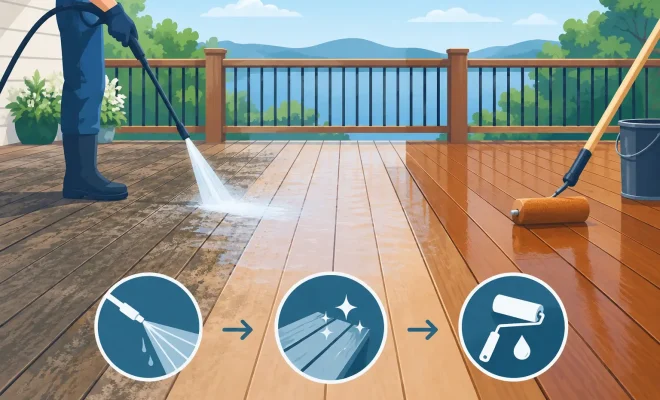
How to Clean and Seal a Deck the Right Way
A deck can look weathered long before the boards are actually worn out. In Tallahassee, North Florida, and South Georgia, humidity, afternoon storms, pine pollen, fallen leaves, and mildew can turn a clean outdoor space gray, slick, and stained. Knowing how to clean and seal a deck helps protect the wood, restore curb appeal, and make the space more enjoyable when the weather is right for grilling, gathering, or simply relaxing outside.
The job is not about blasting the surface with as much pressure as possible. Wood is durable, but it can be damaged by aggressive washing, the wrong cleaner, or sealing before the deck is fully dry. A careful process gets better-looking results and helps your deck stand up to another season of heat and moisture.
Inspect the Deck Before You Start
Walk the entire deck before bringing out a cleaner or washer. Look for loose fasteners, popped nails, splintered boards, soft spots, rot, and railings that move under pressure. Cleaning will not fix structural problems, and sealing damaged wood can trap moisture where you do not want it.
Pay close attention to the boards closest to the house, steps, shaded corners, and areas under planters or outdoor rugs. These spots tend to stay damp longer and often show the heaviest mildew growth. Replace seriously damaged boards and make basic repairs first.
If your deck was sealed or stained recently, identify what is on the wood. A worn, transparent water-repellent sealer may only need cleaning and reapplication. A peeling solid stain or thick coating may require stripping and more preparation before a new finish can bond correctly. When in doubt, test a small, out-of-the-way area instead of committing to a product across the entire deck.
Clear and Protect the Area
Move furniture, grills, rugs, planters, and decor off the deck. Sweep away leaves, dirt, pine needles, and cobwebs, including debris between deck boards. This matters because trapped organic material holds moisture against the wood and can leave dark marks after cleaning.
Cover or thoroughly wet nearby plants before applying any deck cleaner. Choose a cleaner formulated for the type of staining you have, and follow the product directions exactly. Never assume that a stronger mix will deliver a better result. Overly harsh chemicals can discolor wood, harm landscaping, and create an unnecessary risk for children and pets.
Close nearby windows and doors, and protect exterior electrical outlets or fixtures. If you are working beside siding, take care that runoff does not leave streaks or carry cleaner onto surfaces that require a different treatment method.
Use a Wood-Safe Cleaning Method
For light soil, a deck cleaner and a stiff nylon brush may be all you need. Apply the cleaner in manageable sections, let it dwell for the recommended time, then scrub along the direction of the wood grain. Do not let the solution dry on the boards.
For heavier mildew, algae, ground-in dirt, or weather staining, low-pressure washing can help. The key word is low. High pressure can carve lines into soft wood, raise the grain, create fuzzy fibers, and leave an uneven appearance that becomes even more obvious after sealing.
Keep the spray moving and maintain a consistent distance from the surface. Work with the grain in long, controlled passes. Avoid concentrating the stream on one spot, especially around knots, board edges, stair treads, and older wood. If you see visible gouging or fuzzing, stop and reduce the pressure before continuing.
A professional exterior cleaning crew can be the safer choice for large decks, older boards, elevated structures, or severe organic growth. Seminole Power Wash uses surface-appropriate methods designed to clean exterior materials without unnecessary damage. That matters when the goal is not just a brighter deck today, but a deck that remains sound for years to come.
Brighten the Wood When It Needs It
Cleaning removes dirt and organic growth, but it may not fully correct uneven color, dark tannin stains, or the dull gray cast caused by sun and weather. A wood brightener can help restore a more even, natural appearance after cleaning, particularly on older pressure-treated pine.
Apply the brightener according to its label, allow the proper dwell time, and rinse thoroughly. This step is not necessary for every deck, but it can make a noticeable difference before applying a transparent or semi-transparent sealer. It also helps neutralize some cleaning products, which can improve sealer adhesion.
Once rinsed, inspect the boards again. If the cleaning process raised rough fibers, allow the deck to dry completely, then lightly sand problem areas. Focus on splinters, rough handrails, and walking surfaces. Remove all sanding dust before sealing.
Let the Deck Dry Completely
This is where many otherwise careful projects go wrong. A deck may look dry by late afternoon, but moisture can still be inside the wood. Sealing damp boards can lead to blotchy color, poor absorption, peeling, and a finish that fails early.
Drying time depends on the weather, shade, wood type, and how heavily the deck was washed. In warm, dry conditions, two to three days may be enough. After heavy rain, high humidity, or a deep cleaning, the deck may need longer. Check the sealer manufacturer’s moisture and weather recommendations before scheduling the work.
Choose a stretch of dry weather with mild temperatures if possible. Avoid sealing in direct, intense sun when the boards are hot, since the product can dry too quickly and leave lap marks. Also avoid sealing when rain is expected before the product has enough time to cure.
Choose the Right Sealer for Your Deck
The best finish depends on the look you want and the condition of the wood. Clear sealers provide water protection with little color change, but they usually offer less UV protection. Transparent and semi-transparent sealers allow the grain to show while adding color and stronger defense against sun exposure. Solid stains provide the most coverage for weathered or mismatched boards, though they can eventually peel if prep is poor.
For many wood decks in humid Florida and Georgia conditions, a quality penetrating water-repellent sealer is a practical option. It absorbs into the wood rather than forming a thick surface film, helping protect against moisture while reducing the chance of peeling. No product lasts forever, though. Areas exposed to direct sun, standing water, and heavy foot traffic will need attention sooner than sheltered sections.
Apply Sealer in Thin, Even Coats
Stir the sealer thoroughly, but do not shake it if the manufacturer advises against it. Apply it with a brush, stain pad, roller, or sprayer suited to the product. Work a few boards at a time from one end to the other to avoid lap marks. Brush the sealer into board ends, cracks, stair edges, and railings, where water often gets in first.
More is not better. Apply a thin, even coat and allow it to penetrate. If the wood stops absorbing product or puddles form on the surface, back-brush or wipe away the excess. Pooled sealer can dry sticky, shiny, or uneven.
Most products require one coat, while others call for a second coat applied within a specific time window. Follow the label rather than guessing. Let the deck cure fully before replacing furniture, walking on it heavily, or setting planters back in place.
Keep the Protection Working
A sealed deck still needs regular care. Sweep it often, clean up food and drink spills promptly, and move planters occasionally so moisture does not stay trapped in one location. Trim back shrubs and low-hanging branches that block airflow or keep the deck in constant shade.
Check the deck each spring and fall. If water no longer beads on the surface, the color looks faded, or mildew returns quickly after cleaning, it may be time for maintenance. Acting before the wood becomes deeply stained is usually easier and less expensive than restoring a neglected deck.
Your deck should be a place to enjoy the outdoors, not another surface you worry about damaging. If the boards are heavily stained, slippery, elevated, or simply more than you want to tackle safely, call today for a free estimate and get professional help protecting the space you use most.



You must be logged in to post a comment Login