

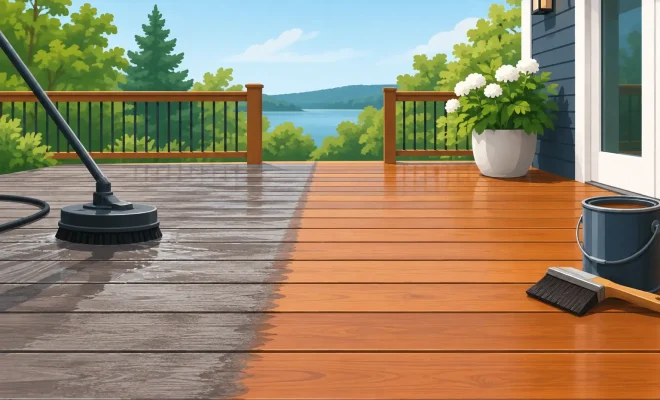
Wood Deck Cleaning and Sealing That Lasts
A wood deck can look weathered long before the boards are ready to be replaced. In Tallahassee, North Florida, and South Georgia, shade, humidity, rain, pine debris, and strong sun create the perfect conditions for mildew, algae, fading, and water damage. Professional wood deck cleaning and sealing removes the buildup that hides your deck’s natural character while helping protect the lumber from the next round of wet weather.
The goal is not simply to make boards look lighter for a few days. Proper deck care helps preserve a space where your family gathers, guests visit, and your property makes its first impression. It also requires the right method. Too much pressure can scar soft wood, raise the grain, and leave permanent wand marks that are harder to fix than the original staining.
What Florida Weather Does to a Wood Deck
Wood is durable, but it is not maintenance-free. Moisture works into unprotected boards and can cause swelling, cracking, cupping, and early rot. When the surface dries under direct sun, the cycle repeats. That constant expansion and contraction is tough on exposed lumber, especially on horizontal surfaces that hold water after a storm.
Mildew and algae add another concern. A dark green or black film is not just an appearance issue. It can make deck boards slick, particularly near steps, railings, pool areas, and shaded sections of the yard. Leaves, pollen, soil, and pine needles trap moisture against the wood, giving organic growth more time to take hold.
Sealing does not make a deck indestructible, and it cannot repair boards that are already rotted or structurally unsound. What it can do is slow moisture absorption, reduce weathering, and make future cleaning easier. The right maintenance plan depends on the wood species, deck age, sun exposure, and whether the deck has a solid stain, semi-transparent stain, clear sealer, or no protective finish at all.
Why Careful Deck Cleaning Matters Before Sealing
A sealer only performs as well as the surface beneath it. Applying a protective coating over mildew, dirt, loose fibers, or old failing finish can trap problems in place. The result may be peeling, blotchy color, poor water resistance, or a finish that fails sooner than expected.
Professional cleaning starts with an inspection. Loose boards, popped fasteners, splinters, soft spots, failing railings, and damaged steps should be identified before work begins. A deck cleaner is then selected for the condition of the surface, with attention to nearby landscaping and other exterior materials.
For many decks, low-pressure cleaning and surface-appropriate solutions are safer than blasting the boards with high pressure. This approach lifts organic growth and ground-in grime without stripping healthy wood fibers away. Pressure still has a place when used correctly, but the setting, spray pattern, distance, and operator experience matter. A powerful machine in untrained hands can turn a manageable cleaning job into an expensive refinishing project.
After cleaning, the deck needs adequate drying time before sealing. In North Florida and South Georgia, that timing can depend on recent rain, humidity, shade, and the type of product being applied. Rushing this step is one of the most common reasons a new finish does not last.
Signs Your Deck Is Ready for Service
You do not need to wait until boards are gray, slick, or splitting badly. Schedule an inspection when water no longer beads on the surface, when the color has faded unevenly, or when you see mildew returning after rain. Flaking stain, visible cracking, rough raised grain, and dark spots around fasteners are also good reasons to act.
If your deck has been ignored for several seasons, it may need more than a standard wash. Old coatings can require specialized prep, and badly weathered boards may need repairs before any sealer is applied. Being honest about the deck’s condition protects the finished result and helps you avoid spending money on a short-term cosmetic fix.
Wood Deck Cleaning and Sealing: The Right Process
A dependable service process protects the deck, the surrounding property, and the people who use the space. It should begin by moving or covering furniture as needed and protecting nearby plants, siding, doors, and hardscape. Children and pets should remain clear of the work area until cleaning and sealing are complete and the surface is dry.
Next comes the cleaning phase. Organic growth, dirt, and stains are treated with products selected for exterior wood and used according to the deck’s condition. A controlled rinse removes residue without damaging the boards. Edges, railings, steps, and the areas between boards deserve attention because buildup in these spots holds moisture where it does the most harm.
Once the wood has dried properly, a quality sealer or stain can be applied evenly. Clear sealers preserve a more natural look but usually offer less UV protection than tinted products. Semi-transparent stains provide color while allowing wood grain to show through. Solid stains offer stronger color coverage and can be useful for older decks, though they may require more careful preparation when it is time for future maintenance.
There is no single best finish for every deck. A sun-baked deck may benefit from greater UV protection, while a newer deck with attractive grain may look best with a lighter treatment. The right choice balances appearance, maintenance expectations, and the deck’s actual condition.
How Often Should a Wood Deck Be Cleaned and Sealed?
Most wood decks benefit from routine cleaning at least once a year, especially where trees, shade, and humid weather encourage mildew. Sealing intervals vary. Some surfaces may need fresh protection every one to two years, while a well-maintained deck with a high-quality coating may go longer.
Rather than relying only on the calendar, watch how the deck handles water. When rain soaks into the boards instead of beading on the surface, the protective barrier is weakening. This is a practical signal to schedule a professional assessment before moisture has a chance to work deeper into the wood.
High-traffic areas often wear faster than the rest of the deck. Entry points, grill areas, stairs, and pathways to a pool or backyard gate may show dullness and water absorption first. Addressing those early signs is usually more affordable than waiting for widespread damage.
DIY Cleaning vs. Hiring a Professional
A homeowner can handle light sweeping and routine debris removal, and those habits genuinely help. Keeping gaps between boards clear allows water to drain. Trimming back branches that keep the deck in constant shade can also reduce mildew pressure.
The trade-off comes when the deck needs chemical treatment, pressure washing, stripping, or sealing. DIY work can save money upfront, but mistakes can be costly. Using the wrong cleaner may discolor wood or harm nearby plants. Sealing damp boards can lead to premature failure. Overapplying a coating can leave a sticky surface that attracts dirt and wears unevenly.
For decks with heavy mildew, aged finishes, valuable landscaping, or visible damage, professional service brings a safer process and a more predictable result. Seminole Power Wash uses surface-appropriate methods and eco-safe products designed to be mindful of children, pets, plants, and the environment. As a licensed and insured, family-owned, veteran-owned local company, the team focuses on careful exterior cleaning without unnecessary surface damage.
Keep Your Deck Protected Between Appointments
A few simple habits can extend the life of professional cleaning and sealing. Sweep leaves and pine needles before they become a damp mat. Move planters occasionally so water and debris do not remain trapped underneath. Clean up spilled grease near grills promptly, and avoid placing rugs on the deck unless they allow the boards to breathe and dry.
Pay attention after heavy storms. Standing water, loose railings, new cracks, and soft spots deserve prompt attention. Small maintenance decisions now can protect the larger investment later.
Your deck should feel like an extension of your home, not another repair waiting to happen. When mildew, fading, or water absorption starts to take over, schedule a free estimate and give the wood the protection it needs before the next season of heat and rain.



You must be logged in to post a comment Login